Introduction
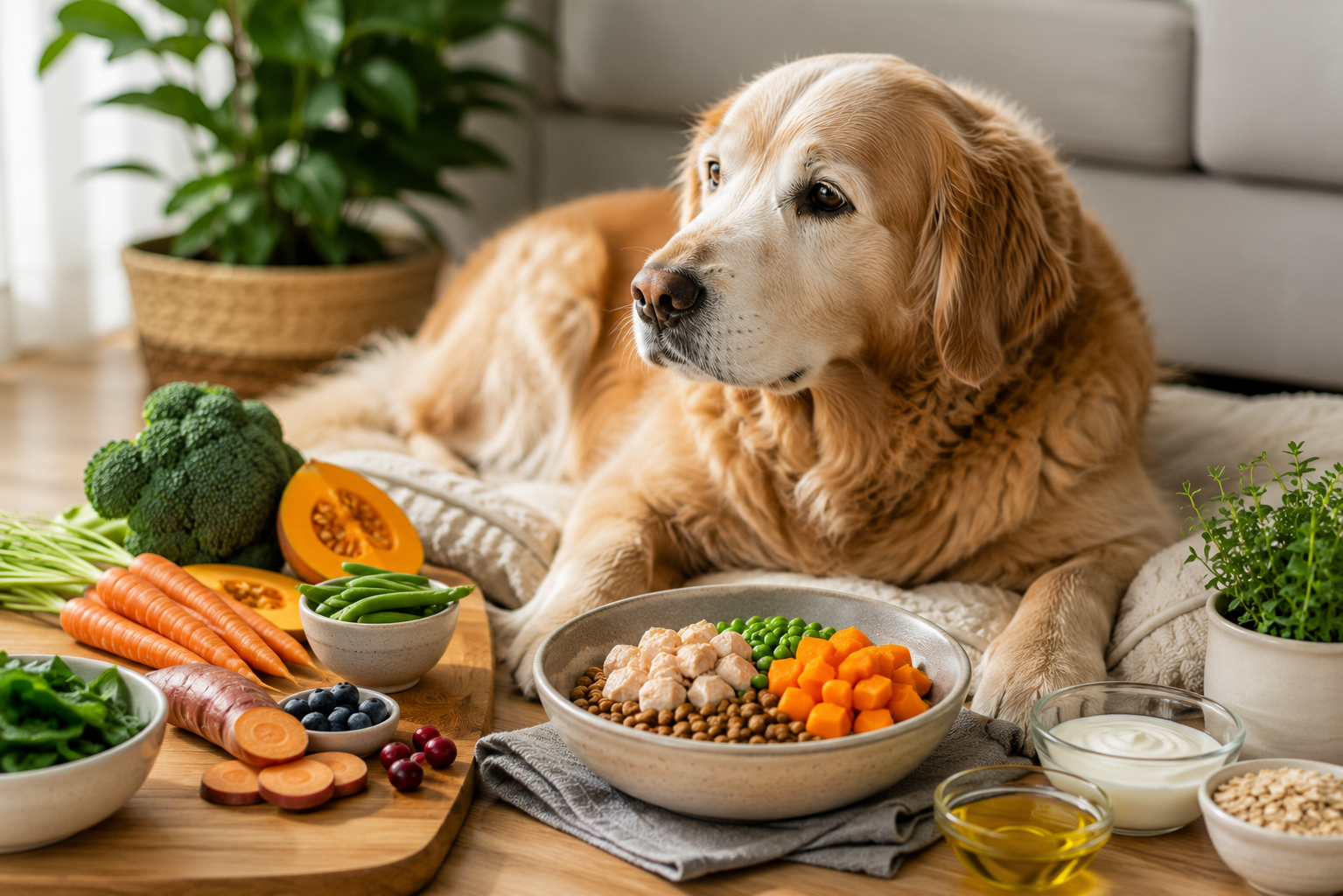
As dogs grow older, their nutritional needs change. A senior dog is generally less active than a younger adult, which means it burns fewer calories but still requires high-quality nutrients to stay healthy. Aging also brings challenges such as slower metabolism, joint stiffness, weaker immunity, dental problems, and gradual muscle loss. Feeding the same diet used during younger years may lead to obesity, poor digestion, or nutritional imbalances. A carefully planned senior dog diet focuses on high-quality protein, healthy fats, fiber, essential vitamins, minerals, and antioxidants while avoiding unnecessary calories. Proper nutrition helps maintain healthy body weight, supports stronger joints, improves digestion, boosts immunity, and allows senior dogs to remain active and comfortable throughout their golden years.
⭐ Quick Overview
- ✔ Supports healthy aging
- ✔ Maintains lean muscle mass
- ✔ Improves digestion
- ✔ Supports healthy joints
- ✔ Boosts immune system
- ✔ Helps maintain ideal weight
Why Nutrition Changes with Age
As dogs grow older, their bodies go through many natural changes. Their metabolism slows down, they become less active, and muscle mass gradually decreases. Because of these changes, senior dogs require fewer calories but higher-quality nutrients to maintain good health. Providing the right nutrition helps support healthy joints, improves digestion, strengthens the immune system, and keeps your dog active for longer.
⚖ Slower Metabolism
Senior dogs burn fewer calories than younger dogs. Overfeeding can easily lead to obesity, which places additional stress on joints and internal organs.
🦴 Joint Support
Older dogs commonly develop arthritis and stiffness. Nutrients such as glucosamine, chondroitin, and Omega-3 fatty acids help maintain healthy joints.
🛡 Stronger Immunity
As dogs age, their immune system naturally becomes weaker. Antioxidants and vitamins help protect cells and support disease resistance.
🍽 Better Digestion
Digestive efficiency becomes slower with age. Fiber-rich foods improve bowel movements and help prevent constipation.
⭐ Senior Care Tip
Monitor your dog's weight every month. Unexpected weight gain or weight loss may indicate an underlying health problem that requires veterinary attention.
Essential Nutrients for Senior Dogs
A balanced senior dog diet should provide high-quality protein, healthy fats, fiber, vitamins, and minerals. Each nutrient supports different body functions and helps improve overall health during aging.
High-Quality Protein
Protein helps preserve lean muscle, supports tissue repair, and keeps senior dogs strong. Good protein sources include
- Chicken
- Turkey
- Fish
- Eggs
- Lean Beef
🐟 Healthy Fats
Omega-3 fatty acids help reduce inflammation, support brain function, improve skin health, and relieve joint discomfort. Healthy sources include:
- Salmon
- Sardines
- Fish Oil
- Flaxseed Oil
🥦 Fiber
Fiber supports healthy digestion, reduces constipation, and improves nutrient absorption. Excellent sources include:
- Pumpkin
- Carrots
- Green Beans
- Peas
💊 Vitamins & Minerals
Essential vitamins and minerals strengthen bones, support immunity, and improve overall wellbeing. Important nutrients include:
- Vitamin A
- Vitamin D
- Vitamin E
- Calcium
- Zinc
Daily Nutrition Summary
| Nutrient | Main Benefit | Food Sources |
|---|---|---|
| Protein | Maintains muscle mass | Chicken, Fish, Eggs |
| Omega-3 | Supports joints & brain | Salmon, Fish Oil |
| Fiber | Improves digestion | Pumpkin, Vegetables |
| Calcium | Strong bones | Dairy, Balanced Dog Food |
| Vitamin E | Immune support | Leafy Vegetables |
Best Foods for Senior Dogs
A nutritious senior dog diet should contain high-quality ingredients that are easy to digest and rich in essential nutrients. These foods help maintain muscle strength, support healthy joints, improve digestion, and boost the immune system.
🍗 Chicken Breast
Lean, high-quality protein that helps preserve muscle mass without adding excessive fat.
🐟 Salmon
Rich in Omega-3 fatty acids that support brain function, healthy skin, and flexible joints.
🎃 Pumpkin
Excellent source of fiber that improves digestion and helps prevent constipation.
🥕 Carrots
Packed with Vitamin A and antioxidants that support healthy eyesight and immunity.
🫐 Blueberries
Natural antioxidants help protect body cells from aging-related damage.
🍠 Sweet Potato
Provides healthy carbohydrates, fiber, vitamins, and long-lasting energy.

Foods to Avoid
Some human foods are harmful or even toxic for dogs. Senior dogs are often more sensitive because their organs may not function as efficiently as they did when younger.
| Food | Reason |
|---|---|
| 🍫 Chocolate | Contains theobromine, which is toxic to dogs. |
| 🍇 Grapes & Raisins | May cause sudden kidney failure. |
| 🧅 Onion & Garlic | Can damage red blood cells. |
| 🍺 Alcohol | Affects the brain and liver. |
| 🦴 Cooked Bones | Can splinter and injure the digestive tract. |
| 🧂 Excess Salt | May cause dehydration and sodium poisoning. |
| 🍬 Sugary Foods | Increase the risk of obesity and diabetes. |
⚠ Safety Tip
If your senior dog accidentally eats toxic food, contact your veterinarian immediately. Early treatment can prevent serious complications.
Sample Daily Meal Plan
This sample meal plan provides balanced nutrition. Adjust portion sizes according to your dog's weight, breed, activity level, and veterinary recommendations.
| Meal | Recommended Food |
|---|---|
| Breakfast | Boiled Chicken + Brown Rice + Carrots |
| Lunch | Pumpkin + Lean Turkey |
| Dinner | Grilled Salmon + Sweet Potato + Green Beans |
| Healthy Snack | Blueberries or Apple Slices (Seedless) |

Hydration Matters
Water is essential for every senior dog. Older dogs become dehydrated more easily, especially during warm weather or illness. Always provide fresh, clean drinking water, and consider adding wet food if your dog does not drink enough throughout the day.
💧 Hydration Tip
Wash the water bowl daily and replace the water several times a day to encourage healthy drinking habits.
Exercise & Weight Management
A healthy diet works best when combined with regular exercise. Senior dogs may not have the same energy as younger dogs, but daily physical activity is still essential for maintaining muscle strength, healthy joints, and a proper body weight. Short walks, gentle play sessions, and mental stimulation can greatly improve your dog's quality of life.
🚶 Daily Walks
Take your senior dog for one or two gentle walks every day. Walking improves circulation, strengthens muscles, and helps maintain a healthy weight.
🎾 Gentle Play
Low-impact games such as fetch with soft toys or short indoor play sessions help keep older dogs active.
🧠 Mental Stimulation
Puzzle toys, training sessions, and scent games keep your dog's brain active and reduce boredom.
Common Health Problems in Senior Dogs
As dogs age, they become more likely to develop chronic health conditions. A balanced diet cannot cure these diseases, but proper nutrition may help reduce symptoms and improve overall wellbeing.
| Health Problem | How Nutrition Helps |
|---|---|
| Arthritis | Omega-3 fats support joint comfort. |
| Dental Disease | Healthy foods support oral health. |
| Kidney Disease | Special veterinary diets may reduce kidney stress. |
| Heart Disease | Controlled sodium intake supports heart health. |
| Diabetes | Balanced meals help regulate blood sugar. |
| Obesity | Portion control prevents unnecessary weight gain. |
Expert Tips
- ✔ Feed two or three smaller meals each day.
- ✔ Keep fresh drinking water available at all times.
- ✔ Maintain a healthy body weight.
- ✔ Visit your veterinarian regularly.
- ✔ Introduce new foods gradually over 7–10 days.
- ✔ Choose high-quality commercial or balanced homemade diets.
- ✔ Monitor changes in appetite, energy, and body condition.
Frequently Asked Questions
How often should I feed my senior dog?
Most senior dogs benefit from two or three smaller meals instead of one large meal.
Can senior dogs eat raw food?
Some senior dogs may tolerate raw diets, but they should only be fed under veterinary supervision.
Should senior dogs take supplements?
Joint supplements, Omega-3 fatty acids, and probiotics may be recommended depending on your dog's individual health needs.
How much water should a senior dog drink?
Fresh water should always be available. Dogs eating dry food generally drink more water than those eating wet food.
Conclusion
Providing the right nutrition is one of the best ways to help your senior dog live a longer, healthier, and happier life. A balanced diet rich in quality protein, healthy fats, fiber, vitamins, and minerals supports healthy aging, while regular exercise, proper hydration, and routine veterinary care help prevent many age-related health problems. Every dog ages differently, so always monitor your pet's condition and consult your veterinarian before making major dietary changes.
🐾 Key Takeaways
- ✔ Feed high-quality protein.
- ✔ Include Omega-3 fatty acids.
- ✔ Maintain a healthy body weight.
- ✔ Encourage daily exercise.
- ✔ Provide fresh water at all times.
- ✔ Schedule regular veterinary checkups.