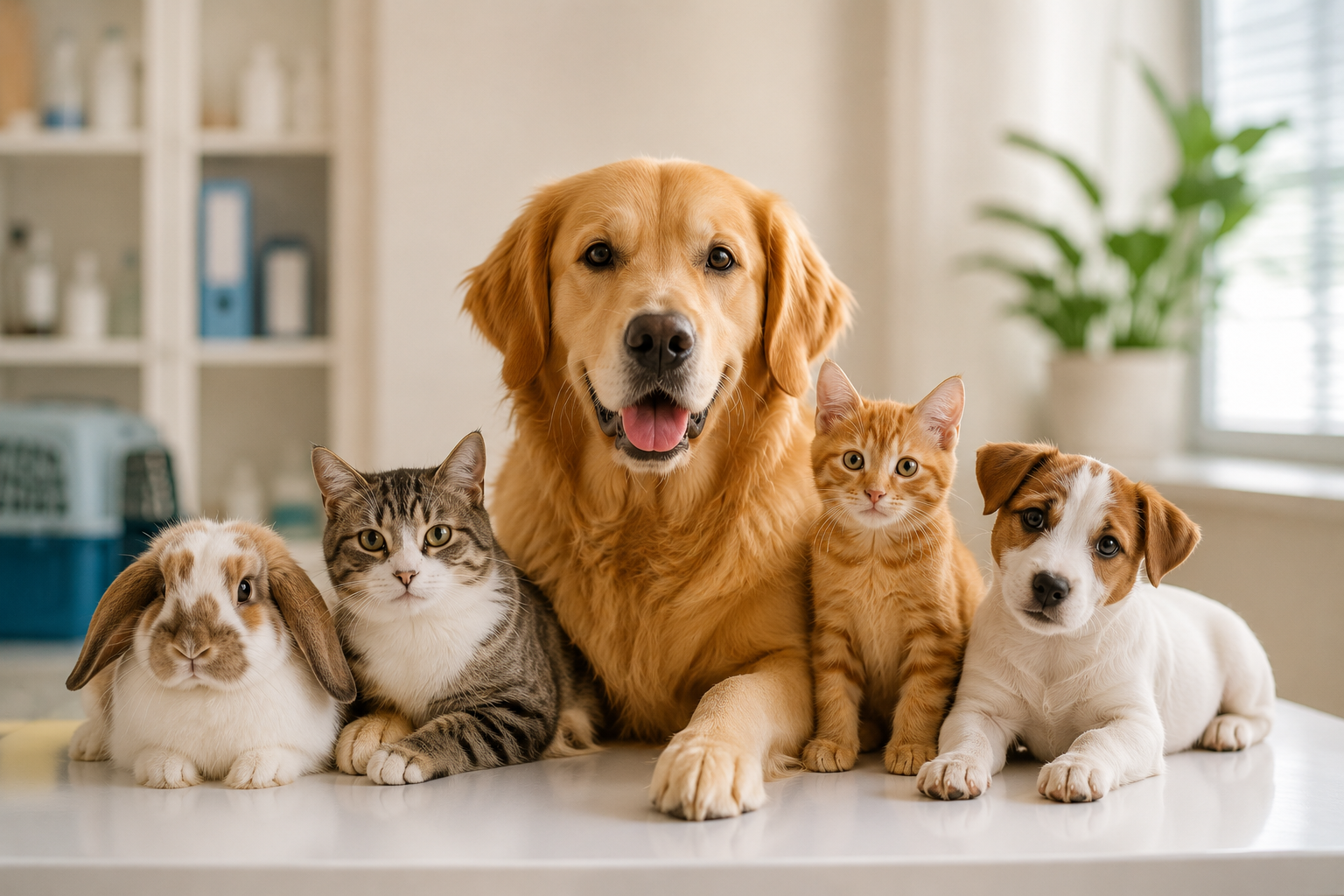
Introduction
Pets bring happiness, love, and companionship into our lives, but they can also suffer from various illnesses. Early detection of disease is one of the most important responsibilities of every pet owner. Knowing the warning signs can help your dog or cat receive treatment before the condition becomes serious.
In this guide, you'll learn about the most common pet diseases, their symptoms, possible causes, treatment options, and practical prevention tips.
🐾 Pet Care Tip
Schedule regular veterinary check-ups, provide balanced nutrition, keep vaccinations up to date, and ensure your pet gets enough daily exercise.
Table of Contents
- Obesity
- Dental Disease
- Skin Allergies
- Ear Infections
- Diabetes
- Kidney Disease
- Digestive Problems
- Prevention Tips
- Frequently Asked Questions
1. Pet Obesity
Obesity is one of the most common health problems in both dogs and cats. Excess body weight increases the risk of diabetes, arthritis, heart disease, and reduced life expectancy.
Common Symptoms
- Weight gain
- Difficulty walking
- Low energy
- Heavy breathing
- Reduced activity
⚠ Warning
Avoid overfeeding treats and table scraps. Excess calories are the leading cause of obesity in pets.
2. Dental Disease
Dental disease affects a large percentage of adult dogs and cats. Poor dental health can lead to pain, bad breath, tooth loss, and infections that may spread to other organs.
Signs of Dental Problems
- Bad breath
- Yellow or brown teeth
- Swollen gums
- Difficulty chewing
- Drooling
Healthy Teeth Tips
- Brush your pet's teeth regularly.
- Provide dental chews.
- Schedule professional cleanings.
- Feed quality food.
3. Skin Allergies
Skin allergies are common in dogs and occasionally affect cats. Allergies may be caused by food, fleas, pollen, dust, or environmental irritants.
Symptoms
- Constant scratching
- Red skin
- Hair loss
- Ear irritation
- Hot spots
| Cause | Example |
|---|---|
| Food Allergy | Chicken, Beef, Dairy |
| Environmental | Pollen, Dust, Grass |
| Parasites | Fleas and Mites |
4. Ear Infections
Ear infections are especially common in dogs with floppy ears but can also affect cats. Moisture, bacteria, yeast, or allergies often trigger these infections.
Symptoms
- Head shaking
- Scratching the ears
- Strong ear odour
- Dark ear discharge
- Pain when ears are touched
⚠ Never Insert Objects Into Your Pet's Ear
Only clean your pet's ears using products recommended by your veterinarian. Improper cleaning may worsen the infection.
5. Diabetes
Diabetes occurs when the body cannot properly regulate blood sugar levels. Both dogs and cats can develop diabetes, especially overweight or older pets.
Symptoms
- Excessive thirst
- Frequent urination
- Weight loss
- Increased appetite
- Low energy
Did You Know?
Maintaining a healthy body weight through balanced nutrition and regular exercise can significantly reduce the risk of diabetes in pets.
6. Kidney Disease
Kidney disease is one of the most common health problems in older cats and senior dogs. Healthy kidneys remove waste products from the blood, maintain fluid balance, and regulate important body functions. Early diagnosis can slow the progression of kidney disease and improve your pet's quality of life.
Common Symptoms
- Increased thirst
- Frequent urination
- Loss of appetite
- Weight loss
- Vomiting
- Bad breath
- Low energy
⚠ Kidney Disease Warning
Never ignore excessive drinking or sudden weight loss. These may be early signs of kidney disease and require immediate veterinary attention.
7. Digestive Problems
Digestive disorders are common in both dogs and cats. Eating spoiled food, dietary changes, food allergies, parasites, or bacterial infections can upset your pet's digestive system.
Symptoms
- Vomiting
- Diarrhea
- Constipation
- Loss of appetite
- Stomach pain
- Dehydration
| Problem | Possible Cause |
|---|---|
| Vomiting | Food intolerance or infection |
| Diarrhea | Parasites or sudden food change |
| Constipation | Low fibre or dehydration |
| Bloating | Eating too quickly |
Digestive Health Tips
- Introduce new food gradually.
- Provide fresh drinking water.
- Feed high-quality food.
- Avoid feeding spoiled leftovers.
8. Arthritis & Joint Problems
Arthritis is commonly seen in older pets. It causes inflammation in the joints, making movement painful and reducing mobility.
Symptoms
- Difficulty standing up
- Limping
- Reluctance to jump
- Stiff walking
- Reduced activity
Joint Care
Maintain a healthy body weight and ask your veterinarian about joint-support supplements such as glucosamine and omega-3 fatty acids.
9. Fleas, Ticks & Internal Parasites
Parasites can seriously affect your pet's health. Regular parasite prevention helps protect both pets and family members from certain diseases.
Common Parasites
| Parasite | Problem |
|---|---|
| Fleas | Skin irritation and allergies |
| Ticks | Can transmit serious diseases |
| Roundworms | Digestive problems |
| Tapeworms | Weight loss and poor nutrition |
⚠ Prevention Is Better Than Treatment
Use veterinarian-approved flea, tick, and deworming products regularly throughout the year.
Prevention Tips for Healthy Pets
- Provide a balanced diet.
- Maintain a healthy body weight.
- Keep vaccinations up to date.
- Use flea and tick prevention.
- Exercise your pet every day.
- Brush teeth regularly.
- Provide fresh drinking water.
- Schedule annual veterinary check-ups.
Best Diet During Illness
| Condition | Recommended Diet |
|---|---|
| Obesity | High-protein, calorie-controlled food |
| Diabetes | High-protein, low-carbohydrate diet |
| Kidney Disease | Prescription kidney-support diet |
| Digestive Problems | Bland, easily digestible meals |
| Skin Allergies | Hypoallergenic or limited-ingredient diet |
Healthy Lifestyle Checklist
- ✔ Balanced nutrition
- ✔ Daily exercise
- ✔ Fresh water
- ✔ Regular grooming
- ✔ Dental care
- ✔ Routine veterinary visits
Frequently Asked Questions (FAQs)
1. What is the most common disease in dogs and cats?
Obesity, dental disease, skin allergies, ear infections, and digestive problems are among the most common health conditions seen in household pets. Regular veterinary care and proper nutrition can greatly reduce these risks.
2. How can I tell if my pet is sick?
Common warning signs include loss of appetite, vomiting, diarrhea, excessive sleeping, coughing, weight loss, increased thirst, frequent urination, and unusual behaviour changes.
3. Can poor nutrition cause diseases?
Yes. Poor-quality food and overfeeding may contribute to obesity, diabetes, digestive disorders, skin problems, and weakened immunity.
4. How often should my pet visit a veterinarian?
Healthy adult pets should have a complete veterinary examination at least once a year, while puppies, kittens, and senior pets may require more frequent check-ups.
5. Can obesity shorten a pet's lifespan?
Yes. Excess body weight increases the risk of heart disease, diabetes, arthritis, breathing difficulties, and joint problems, which may reduce life expectancy.
6. How can I prevent dental disease?
Brush your pet's teeth regularly, provide dental treats, feed quality food, and schedule professional dental cleanings when recommended by your veterinarian.
7. Why is my pet scratching all the time?
Persistent scratching may be caused by fleas, mites, food allergies, environmental allergies, or skin infections. A veterinary examination can identify the exact cause.
8. Are vaccines important?
Yes. Vaccinations protect pets against many serious and potentially fatal infectious diseases. Follow the vaccination schedule recommended by your veterinarian.
9. Can indoor pets become sick?
Yes. Indoor pets can still develop obesity, diabetes, kidney disease, dental problems, allergies, and many other medical conditions.
10. When should I seek emergency veterinary care?
Seek immediate veterinary care if your pet has difficulty breathing, continuous vomiting, seizures, severe bleeding, collapse, poisoning, or cannot stand or walk normally.
Final Thoughts
Keeping your pet healthy starts with prevention. A nutritious diet, regular exercise, routine vaccinations, parasite control, dental care, and annual veterinary check-ups are the foundation of a long and healthy life for both dogs and cats.
Recognising disease symptoms early allows treatment to begin sooner, improving the chances of a full recovery. Always consult your veterinarian whenever your pet shows unusual behaviour or signs of illness.
🐾 Healthy Pets Live Longer
Good nutrition, daily activity, clean water, regular grooming, and preventive healthcare are the five pillars of keeping your beloved companion happy, healthy, and active for years to come.