Introduction
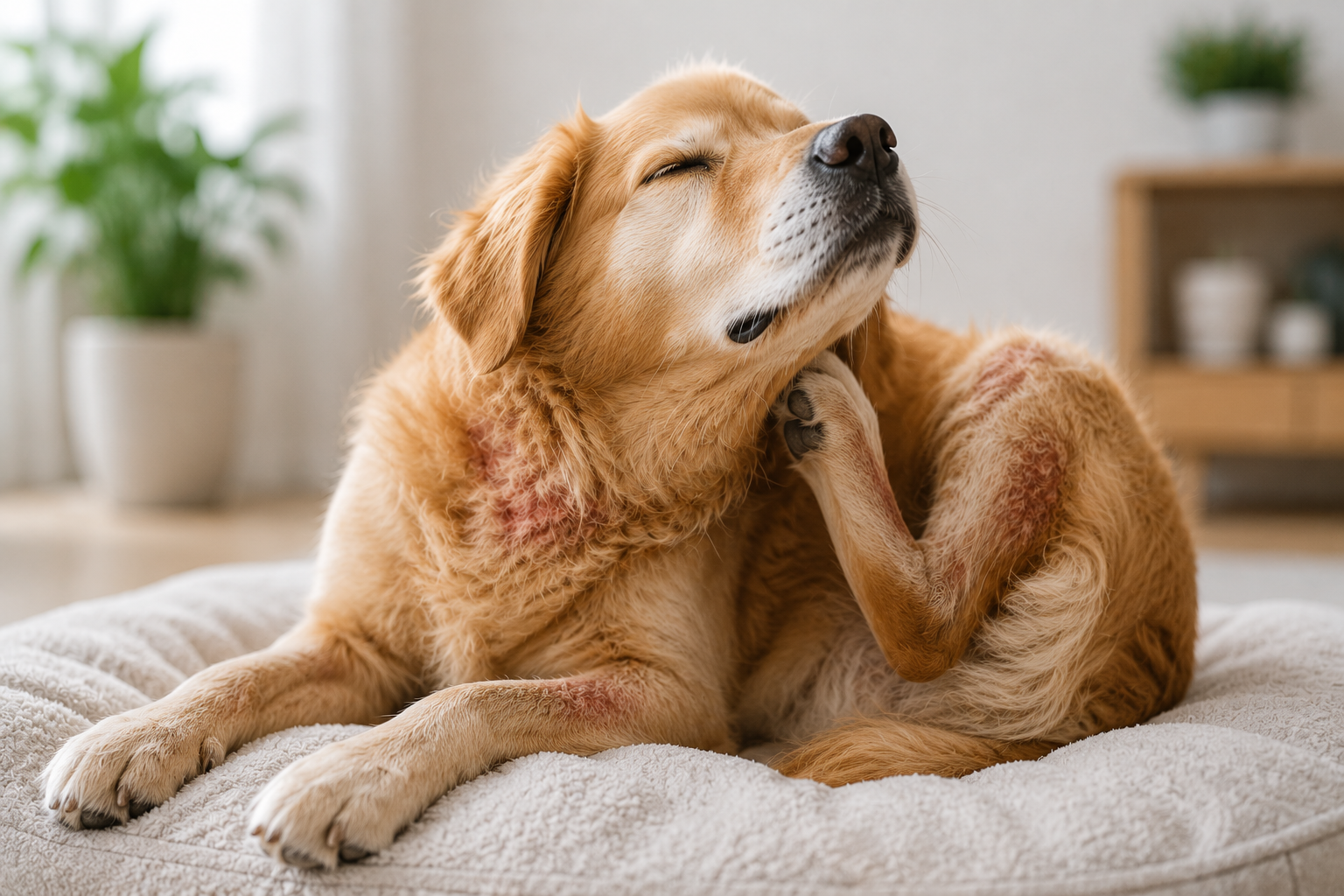
Dog allergies are among the most common health conditions affecting pets worldwide. Allergies occur when a dog's immune system overreacts to substances that are normally harmless, such as certain foods, pollen, dust mites, or flea saliva.
Although allergies cannot always be cured, they can usually be managed with proper veterinary care, balanced nutrition, and lifestyle adjustments. Recognizing symptoms early helps prevent discomfort and long-term skin or ear problems.
🐾 Quick Tip
If your dog scratches constantly, chews its paws, or develops recurring ear infections, allergies may be the underlying cause.
Table of Contents
- Types of Dog Allergies
- Common Symptoms
- Food Allergies
- Environmental Allergies
- Flea Allergy Dermatitis
- Diagnosis
- Treatment
- Best Diet
- Frequently Asked Questions
Types of Dog Allergies
Dogs can suffer from several different types of allergies. Identifying the correct type helps veterinarians choose the most effective treatment.
| Allergy Type | Common Trigger |
|---|---|
| Food Allergy | Chicken, Beef, Dairy, Wheat |
| Environmental Allergy | Pollen, Dust, Mold, Grass |
| Flea Allergy | Flea Saliva |
| Contact Allergy | Cleaning Products, Shampoo, Chemicals |
Common Symptoms of Dog Allergies
Allergic reactions can appear differently in every dog. Some dogs only have itchy skin, while others develop ear infections or digestive problems.
- Constant scratching
- Chewing paws
- Red or inflamed skin
- Hair loss
- Frequent ear infections
- Watery eyes
- Sneezing
- Vomiting
- Diarrhea
⚠ Warning
Persistent itching should never be ignored. Continuous scratching can lead to skin infections and open wounds if left untreated.
Food Allergies in Dogs
Food allergies develop when a dog's immune system reacts to specific ingredients in its diet. Protein sources are the most common triggers, but grains and dairy products may also cause reactions in sensitive dogs.
Common Food Allergens
- Chicken
- Beef
- Dairy Products
- Wheat
- Soy
- Eggs
Helpful Tip
A veterinarian may recommend an elimination diet to identify the ingredient responsible for your dog's allergy.
Environmental Allergies
Environmental allergies, also called atopic dermatitis, are caused by airborne allergens such as pollen, mold spores, grass, and house dust mites. Symptoms often become worse during certain seasons.
Common Triggers
- Tree pollen
- Grass pollen
- Dust mites
- Mold spores
- Household dust
Seasonal Allergy Alert
Wipe your dog's paws after outdoor walks to reduce exposure to pollen and other outdoor allergens.
Flea Allergy Dermatitis
Some dogs are extremely sensitive to flea saliva. Even a single flea bite can cause intense itching and severe skin irritation.
Signs of Flea Allergies
- Severe itching near the tail
- Hair loss
- Scabs
- Red skin
- Skin infections
Prevention
Use year-round flea prevention products recommended by your veterinarian to protect your dog from flea allergy dermatitis.
How Dog Allergies Are Diagnosed
Diagnosing allergies requires a combination of your dog's medical history, physical examination, and diagnostic tests. Your veterinarian will first rule out parasites, infections, and other skin conditions before confirming an allergy.
Common Diagnostic Methods
- Complete physical examination
- Skin examination
- Blood tests
- Skin allergy testing
- Elimination diet trial
- Flea inspection
🐾 Veterinary Tip
Never guess the cause of an allergy at home. Different allergies often produce similar symptoms, making professional diagnosis extremely important.
Treatment Options
Treatment depends on the type of allergy and how severe the symptoms are. Most allergic dogs require a combination of medication, dietary changes, and environmental management.
| Treatment | Purpose |
|---|---|
| Antihistamines | Reduce itching and inflammation |
| Medicated Shampoo | Relieves irritated skin |
| Prescription Medication | Controls severe allergic reactions |
| Immunotherapy | Long-term allergy management |
| Flea Prevention | Prevents flea allergy flare-ups |
Best Diet for Dogs with Allergies
Nutrition plays an important role in reducing allergic reactions. Many veterinarians recommend limited-ingredient or hypoallergenic diets to identify food triggers and improve skin health.
Recommended Foods
- Salmon
- Lamb
- Duck
- Sweet Potatoes
- Pumpkin
- Brown Rice
- Omega-3 Rich Fish Oil
Healthy Skin Tip
Omega-3 fatty acids help reduce inflammation and support healthy skin and a shiny coat in allergic dogs.
Foods to Avoid
If your dog has food allergies, avoid ingredients that commonly trigger allergic reactions until your veterinarian identifies the exact cause.
| Avoid | Reason |
|---|---|
| Chicken (Sensitive Dogs) | Common food allergen |
| Beef | May trigger allergies |
| Dairy Products | Digestive upset and itching |
| Soy | Possible allergic reactions |
| Artificial Colours | May irritate sensitive dogs |
| Artificial Preservatives | Can worsen allergy symptoms |
⚠ Don't Change Food Suddenly
Always transition to a new diet gradually over 7–10 days to avoid digestive upset and help monitor allergic reactions accurately.
Daily Care Tips for Allergic Dogs
- Bathe your dog using veterinarian-approved shampoo.
- Wash bedding every week.
- Vacuum your home regularly.
- Keep flea prevention up to date.
- Wipe paws after outdoor walks.
- Provide fresh drinking water.
- Feed a consistent high-quality diet.
- Schedule routine veterinary check-ups.
Can Dog Allergies Be Prevented?
Although allergies cannot always be prevented, good hygiene, balanced nutrition, parasite control, and regular veterinary care can greatly reduce the frequency and severity of allergy flare-ups.
Prevention Checklist
- ✔ Monthly flea prevention
- ✔ Healthy balanced diet
- ✔ Clean living environment
- ✔ Regular grooming
- ✔ Routine veterinary visits
- ✔ Fresh drinking water daily
Frequently Asked Questions (FAQs)
1. What is the most common dog allergy?
Environmental allergies caused by pollen, dust mites, and grass are among the most common allergies in dogs. Food allergies and flea allergies are also frequently diagnosed.
2. Can dog allergies be cured?
Most allergies cannot be permanently cured, but they can be successfully managed through medication, proper nutrition, flea control, and avoiding known allergens.
3. Which foods commonly cause allergies?
Chicken, beef, dairy products, wheat, soy, and eggs are common food allergens, although every dog is different.
4. How can I reduce seasonal allergies?
Clean your dog's paws after walks, bathe regularly with medicated shampoo, vacuum your home frequently, and reduce exposure to pollen whenever possible.
5. Can puppies develop allergies?
Yes. Puppies can develop food or environmental allergies, although symptoms often become more noticeable as they grow older.
6. Are allergies dangerous?
Most allergies are not life-threatening, but untreated allergies can lead to skin infections, ear infections, chronic discomfort, and poor quality of life.
7. Should I change my dog's food immediately?
No. Food should always be changed gradually over 7–10 days unless your veterinarian recommends an immediate prescription diet.
8. Does fish oil help dogs with allergies?
Yes. Omega-3 fatty acids found in fish oil may help reduce inflammation and improve skin and coat health in many allergic dogs.
9. Can flea bites really cause severe allergies?
Yes. Dogs with flea allergy dermatitis may experience intense itching and skin irritation from even a single flea bite.
10. When should I visit a veterinarian?
Visit your veterinarian if your dog has constant itching, hair loss, recurring ear infections, skin wounds, swelling, breathing problems, or digestive symptoms that continue for more than a day or two.
Final Thoughts
Dog allergies are common, but with early diagnosis and proper care, most dogs can live healthy, active, and comfortable lives. Understanding the symptoms, identifying triggers, and following a veterinarian's advice are the keys to successful allergy management.
A healthy lifestyle that includes balanced nutrition, regular grooming, parasite prevention, and routine veterinary check-ups can greatly reduce the frequency of allergy flare-ups and improve your dog's overall well-being.
🐶 Healthy Dogs Start with Healthy Habits
Feed a high-quality diet, provide fresh water every day, maintain flea prevention, exercise regularly, and seek veterinary care whenever allergy symptoms appear. Prevention is always better than treatment.